About CECJ
Who We Are
The Centre for Early Childhood Justice (CECJ) is a national public-interest legal and policy institute based in Kampala, Uganda. We work to strengthen the legal, regulatory, and accountability foundations of early childhood systems across Africa.

Our Vision
What We Are Working Towards
A continent where every young child is protected by law, supported by well-governed institutions, and served by accountable systems that honour their rights from birth.
Our Mission
What We Do
To advance justice for young children by strengthening the legal, regulatory, and accountability foundations of early childhood systems across Africa — through legal research, law reform, advocacy, and capacity development.
Our Legal & Thematic Focus
CECJ operates at the intersection of law, governance, and early childhood development. We are not a service delivery organisation. We do not run nurseries or provide direct services to children. Instead, we work on the legal and governance architecture — the laws, regulations, budgets, institutions, and accountability systems — that determine whether early childhood services reach all children and meet their rights.
Legal & Thematic Focus Areas
- ✓Constitutional obligations for early childhood
- ✓Early childhood legislation and legal drafting
- ✓Regulatory frameworks for ECD services
- ✓Public finance law and budget accountability
- ✓Institutional mandates and governance structures
- ✓Grievance mechanisms and access to justice
- ✓Monitoring, accountability, and legal compliance
- ✓International law and treaty implementation
- ✓African child rights instruments and jurisprudence
- ✓Strategic litigation for children's rights
Geographic Scope
National, Regional, and Continental
CECJ is registered and headquartered in Uganda. Our primary national mandate is to strengthen early childhood law and governance in Uganda. We also engage across East Africa and the wider African continent, recognising that many legal challenges are shared and that continental platforms — the African Union, African Charter on the Rights and Welfare of the Child, African Committee of Experts — are critical levers for change.
We work with partners in and beyond Africa, including international legal scholars, UN agencies, and global civil society networks, while ensuring that our work is always African-led.
Our Role in the Ecosystem
Complementing, Not Duplicating
The early childhood sector is served by many organisations — implementing agencies, humanitarian actors, development partners, and advocacy coalitions. CECJ fills a specific gap: the legal and governance gap.
We work alongside these actors to provide legal research they can rely on, policy tools they can use, and accountability mechanisms they can activate. We are a resource for the sector, not a competitor within it.
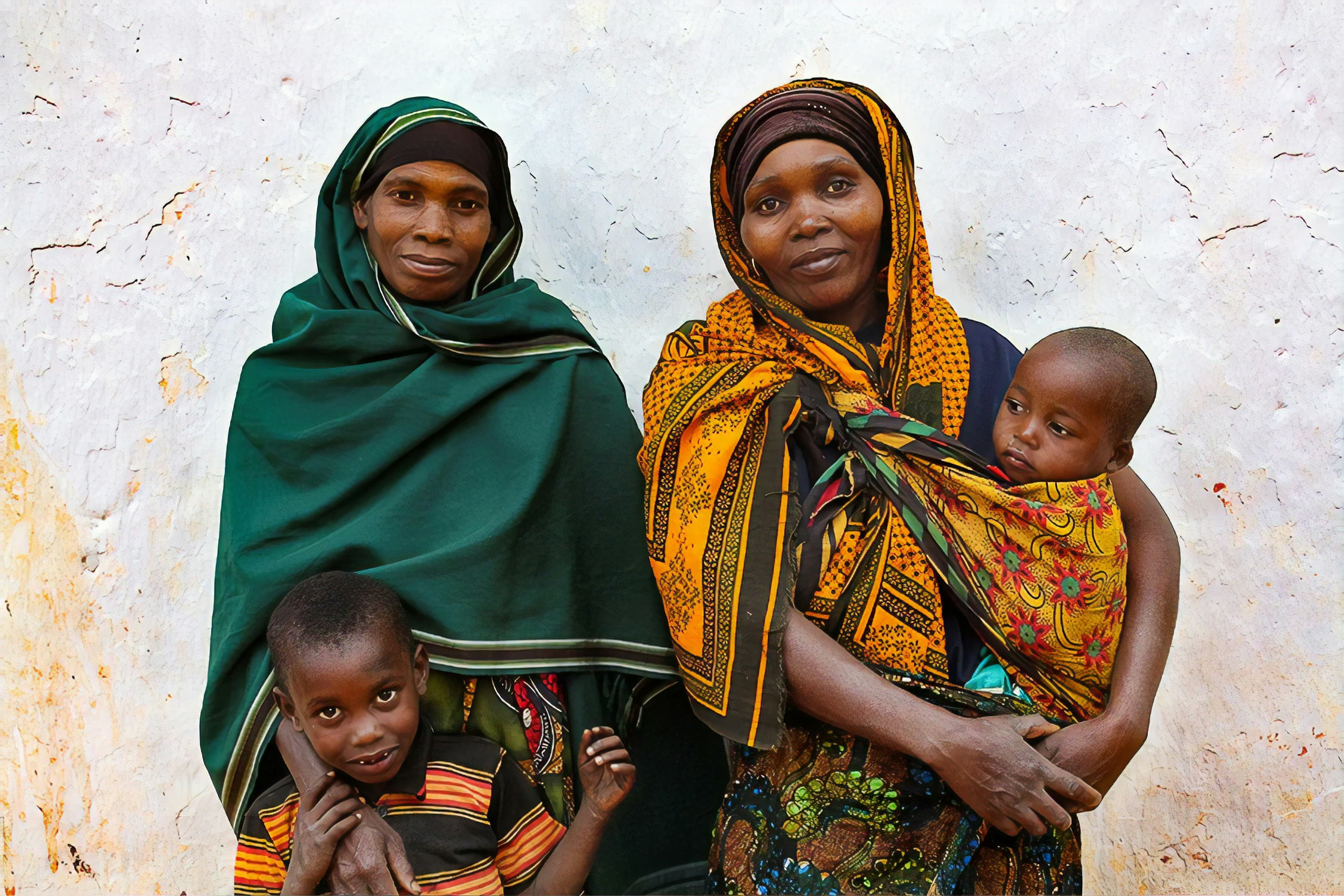
The human foundation of our legal work



At the Intersection of Six Fields
CECJ sits at the convergence of law, governance, early childhood development, child rights, public finance, and accountability.
From Research to Rights
Our theory of change links rigorous legal research to systemic transformation for young children.
Legal Research & Analysis
We produce rigorous legal analysis identifying gaps and obligations.
Evidence-Based Advocacy
We use evidence to advocate for legal and regulatory reforms.
Law & Policy Reform
Laws are amended or enacted to create clear obligations.
Strengthened Systems
Regulatory, finance, and accountability systems are built.
Rights Upheld
Young children's rights are protected in law and in practice.
What We Stand For
Nine values that guide every aspect of our work. Click any value to learn more.
Rights-Based Approach
Every child has legally enforceable rights from birth.
Legal Rigour
Evidence-based, legally grounded analysis drives our work.
Institutional Independence
We speak truth to power without fear or favour.
Systems Thinking
We address root causes in legal and governance systems.
Pan-African Perspective
Rooted in Uganda, connected across the continent.
Equity and Inclusion
The most marginalised children must be reached by law.
Strategic Collaboration
We build coalitions across sectors to drive reform.
Accountability
We hold institutions accountable to their legal obligations.
Local Leadership
African-led solutions for African children.
Operating Principles
The practical principles that guide how we work day-to-day.